

Importance of Secure Payment Gateways Protect Your Transactions
- Justin Gleo

- Feb 28, 2025
- 7 min read
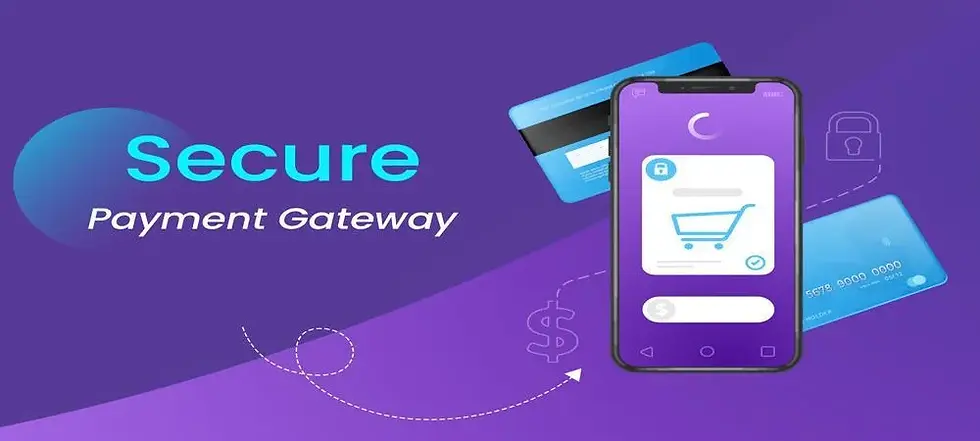
In today's digital age, secure payment gateways are crucial. They protect sensitive information and ensure safe transactions.
Secure payment gateways are vital for any online business. They create trust between buyers and sellers by safeguarding personal and financial data. Without secure payment gateways, customers may hesitate to make purchases. Data breaches and fraud risks also increase without proper security.
These gateways use encryption to protect data during transactions. This technology ensures that sensitive information remains private. As e-commerce grows, so does the need for robust security measures. Businesses must prioritize secure payment gateways to maintain customer trust. Investing in them reduces risks and builds a loyal customer base. Understanding their importance can help businesses thrive in the digital marketplace.

Introduction To Payment Gateways
Payment gateways are crucial for online transactions. They ensure secure transfers between buyers and sellers. Understanding them can help you make better choices for your business.
What Are Payment Gateways?
Payment gateways are services that process credit card payments for online stores. They act as intermediaries between the customer and the merchant. They ensure the secure transfer of sensitive information. These gateways handle the authorization of payments. They encrypt and transmit data to protect it from fraud. This makes online shopping safe and reliable for customers.
Role In Online Transactions
Payment gateways play a vital role in e-commerce. They verify the legitimacy of transactions. This prevents fraudulent activities and protects both parties.
They also facilitate the transfer of funds from the customer's account to the merchant's account. This ensures that payments are processed quickly and efficiently.
Without payment gateways, online shopping would not be as seamless.
Payment gateways also provide various payment options. This flexibility enhances the shopping experience for customers. It allows them to choose their preferred method of payment.

Need For Security In Payment Gateways
The Need for Security in Payment Gateways is crucial in today's digital economy. Payment gateways act as the bridge between customers and merchants. They ensure the safe transfer of sensitive financial data. Without robust security, this data is vulnerable to cyber threats. This can lead to significant financial losses and trust issues.
Risks Of Unsecured Gateways
Using unsecured payment gateways exposes businesses and consumers to numerous risks. These include:
● Data Breaches: Unauthorized access to sensitive information.
● Fraud: Increased chances of fraudulent transactions.
● Reputation Damage: Loss of consumer trust and loyalty.
Data breaches can lead to identity theft. This can result in financial losses and legal issues. Fraudulent transactions can affect both merchants and customers. They can result in chargebacks and lost revenue. Reputation damage is hard to repair. A single breach can tarnish a brand's image permanently.
Impact On Businesses And Consumers
The impact of unsecured payment gateways affects both businesses and consumers in significant ways.
Here are some key points:
Impact on Businesses | Impact on Consumers |
Financial Losses | Identity Theft |
Legal Consequences | Financial Losses |
Reputational Damage | Loss of Trust |
Businesses face financial losses from chargebacks and refunds. They may also face legal consequences for non-compliance with security standards. Reputational damage can result in loss of customers and revenue. Consumers risk identity theft, which can lead to significant financial losses. Loss of trust in a brand can deter customers from future transactions.
Key Features Of Secure Payment Gateways
Secure payment gateways are crucial for online transactions. They protect your data and ensure smooth operations. Understanding their key features helps in making informed decisions. Below are some essential features of secure payment gateways.
Encryption Technology
Encryption technology is vital for secure payment gateways. It protects sensitive information during transactions. This technology scrambles data, making it unreadable to unauthorized parties. Only authorized parties can decode it. This ensures that your credit card details remain safe. Encryption works through algorithms that convert data into a coded form.
Here is a simple table to explain the types of encryption:
Encryption Type | Description |
SSL/TLS | Secures data between web browsers and servers |
End-to-End | Encrypts data throughout the transaction process |
Fraud Detection Systems
Fraud detection systems are another key feature. These systems monitor transactions in real-time. They identify and flag suspicious activities. This helps in preventing fraudulent transactions.
Fraud detection systems use various techniques, such as:
● Behavior Analysis
● Transaction Monitoring
● Machine Learning
These techniques analyze user behavior patterns. They detect anomalies and raise alerts. This ensures that your transactions are genuine and safe.
Benefits Of Secure Payment Gateways
Secure payment gateways offer multiple benefits to online businesses. They play a vital role in ensuring safe transactions. These gateways help in building customer trust and reducing fraud losses. Let’s explore these benefits in detail.
Enhanced Customer Trust
Customers feel safer using secure payment gateways. They know their data is protected. This assurance leads to more repeat purchases. Trust is crucial for customer loyalty. Secure payments help build this trust. The result is higher customer satisfaction. This directly impacts your sales positively.
Reduced Fraud Losses
Secure payment gateways reduce the risk of fraud. They use advanced encryption and security measures. This keeps sensitive information safe. Fraudulent activities are minimized. This leads to fewer financial losses for businesses. It also saves businesses from legal issues. Reduced fraud means more peace of mind for both parties.
Challenges In Implementing Secure Gateways
Ensuring secure payment gateways is crucial for businesses. They protect customer data and build trust. But implementing these gateways comes with challenges. These hurdles can impact costs, technical requirements, and overall efficiency.
Cost Implications
Implementing secure payment gateways can be expensive. Businesses need to invest in advanced security technologies. These include encryption and fraud detection systems. Regular updates and maintenance add to the cost. Small businesses may find these expenses overwhelming.
Technical Complexity
Secure payment gateways require advanced technical knowledge. Integrating these systems with existing platforms can be tricky. Businesses need skilled IT professionals to handle this. There is also a need for ongoing technical support.
Technical glitches can disrupt transactions. This impacts customer satisfaction and trust. Ensuring seamless integration and operation is vital. This requires constant monitoring and troubleshooting.

Best Practices For Secure Transactions
Understanding the importance of secure payment gateways is crucial for any business. Secure transactions ensure customer trust and protect sensitive data. Implementing best practices can prevent fraud and enhance your business reputation. Below are key practices to secure your transactions.
Regular Security Audits
Conducting regular security audits is vital. Audits help identify vulnerabilities in your payment system. They also ensure that your security measures are up-to-date. Consider hiring external experts for an unbiased review.
Audit Type | Frequency |
Internal Audit | Quarterly |
External Audit | Annually |
Regular reviews can uncover hidden issues. Addressing these issues promptly is essential. This practice can safeguard against potential breaches.
Compliance With Regulations
Adhering to compliance regulations is a must. Regulations like PCI DSS ensure that payment data is protected. Following these standards can reduce the risk of data breaches.
● Ensure your system meets PCI DSS requirements.
● Stay updated with local and international regulations.
● Conduct regular compliance checks.
Compliance not only secures your transactions but also builds customer trust. Customers feel safer knowing their data is protected by industry standards.
Implementing these best practices can significantly enhance the security of your payment gateways. Regular audits and compliance checks are crucial steps in maintaining a secure transaction environment.
Case Studies Of Secure Payment Gateways
Secure payment gateways are vital for any online business. They protect transactions and ensure customer trust. Understanding their significance through real-life examples can be enlightening. This section delves into case studies showcasing the impact of secure payment gateways.
Successful Implementation Examples
One example is Amazon's payment system. They use advanced encryption to safeguard transactions. Their system handles millions of transactions daily without issues. This reliability fosters customer confidence and loyalty.
PayPal is another success story. Their secure gateway supports various currencies and payment methods. This flexibility has helped them gain a global user base. Customers feel safe using their platform, boosting transaction volumes significantly.
Lessons Learned
From these examples, a few lessons stand out. First, robust encryption is crucial. It prevents data breaches and builds trust. Second, flexibility in payment options is key. It caters to diverse customer needs and expands your market reach.
Third, reliability cannot be compromised. A secure, consistent payment system encourages repeat transactions and customer loyalty.
Future Of Payment Gateway Security
The digital world is evolving quickly. As a result, payment gateways must enhance security. With the increase in online transactions, the future of payment gateway security is crucial. Businesses and customers alike need assurance that their data is safe. This section explores emerging technologies and predicted trends in payment gateway security.
Emerging Technologies
New technologies are shaping the future of payment gateway security. These advancements aim to protect sensitive data and ensure safe transactions.
● Artificial Intelligence (AI): AI detects fraud in real-time. It analyzes transaction patterns and flags suspicious activities.
● Blockchain: Blockchain provides a decentralized and secure way to manage transactions. It offers transparency and reduces the risk of fraud.
● Biometric Authentication: Biometric methods like fingerprint and facial recognition ensure secure user authentication. They are harder to fake than traditional passwords.
● Tokenization: Tokenization replaces sensitive data with unique tokens. These tokens have no exploitable value, making transactions safer.
Predicted Trends
Several trends are expected to dominate the future of payment gateway security. These trends will address emerging threats and enhance transaction safety.
1. Increased Use of AI: AI will continue to evolve. It will offer more sophisticated fraud detection and prevention capabilities.
2. Adoption of Blockchain Technology: More businesses will use blockchain for secure, transparent transactions.
3. Biometric Payments: Biometric authentication will become more common. It will replace traditional methods for verifying transactions.
4. Enhanced Encryption: Stronger encryption methods will protect sensitive data during transactions.
5. Regulatory Compliance: Businesses will need to comply with stricter regulations. This will ensure higher security standards.
The future of payment gateway security is promising. By adopting these emerging technologies and trends, businesses can protect their customers and build trust.
Frequently Asked Questions
What Is A Secure Payment Gateway?
A secure payment gateway is a technology that ensures safe and encrypted transactions between buyers and sellers online. It protects sensitive information.
Why Are Secure Payment Gateways Important?
Secure payment gateways are crucial to prevent fraud and data breaches. They ensure customer trust and protect financial information.
How Do Payment Gateways Protect Transactions?
Payment gateways use encryption and tokenization to protect transactions. They securely transmit data between the customer and merchant.
What Features Should A Secure Payment Gateway Have?
A secure payment gateway should have encryption, fraud detection, and PCI DSS compliance. These features ensure safe transactions.
Conclusion
Secure payment gateways are vital for online transactions. They protect customer data. They build trust and enhance user experience. Businesses can prevent fraud and ensure smooth payments. Choosing a reliable gateway is crucial. It boosts customer confidence and sales. Always prioritize security in online payments.
It leads to long-term success. Stay safe, and keep your customers safe too. Secure payment gateways are essential for modern e-commerce. Make them a priority for your business.
Let’s Build Your Success Together
Don’t wait for results to happen—create them. With URDigital Tech, you’re not just getting a service; you’re gaining a partner invested in your success.
Email us at: solutions@urdigitaltech.com
Text us at: (716) 400-0769
Contact us today to see how we can help you turn ideas into impact and opportunities into achievements.


Comments