

How to Use Data Analytics to Drive Business Growth Proven Strategies
- Justin Gleo

- Feb 24, 2025
- 6 min read
To use data analytics to drive business growth, collect relevant data and analyze it to uncover insights. Implement those insights to optimize strategies and improve performance.
Data analytics is crucial for modern businesses aiming to stay competitive. By collecting and analyzing data, companies can gain valuable insights into customer behavior, market trends, and operational efficiencies. These insights help businesses make informed decisions, personalize marketing efforts, and identify new opportunities for growth.
Effective data analytics can lead to improved product development, better customer satisfaction, and increased revenue. Leveraging data allows businesses to track performance metrics and adjust strategies in real-time. This data-driven approach ensures that companies remain agile and responsive to changing market conditions, ultimately driving sustained growth and success.

Importance Of Data Analytics
Data analytics gives businesses a competitive advantage. It helps to understand customer needs better. Companies can tailor their services to match these needs. This creates a stronger connection with customers. Data helps to identify market trends. Knowing these trends allows companies to stay ahead. It also helps in spotting new opportunities. Competitors without this information can fall behind.
Data analytics aids in making informed decisions. It provides clear insights into business operations. Managers can see what works and what doesn't. This clarity reduces guesswork. Decisions based on data are more reliable. It leads to better outcomes. Data shows patterns and trends. These patterns help in predicting future events. Businesses can plan better with this information.
Identifying Key Metrics
Identifying key metrics helps businesses leverage data analytics to uncover growth opportunities and optimize performance. Accurate metric selection guides decision-making and strategy development.
Business Objectives
Business objectives are goals that a company wants to achieve. These goals guide the data analytics process. Clear objectives help in measuring progress and identifying success. They can include increasing revenue, improving customer satisfaction, or reducing costs. Align data analytics with these objectives to ensure effective decision-making.
Performance Indicators
Performance indicators are specific metrics that track progress towards business goals. Examples include sales growth, customer retention rate, and profit margins. These indicators provide valuable insights into business performance. Regularly monitor and analyze these metrics to identify trends and areas for improvement. Use these insights to make informed decisions and drive business growth.
Collecting Data Effectively
Effective data collection fuels business growth by providing actionable insights. Leveraging data analytics helps identify trends, optimize operations, and improve decision-making processes.
Data Sources
Businesses use different data sources to gather information. Common sources include customer surveys, website analytics, and social media. Each source provides unique insights. Customer surveys reveal preferences and satisfaction.
Website analytics show user behavior and traffic. Social media offers trends and engagement metrics. Combining these sources gives a complete picture. It helps in making informed decisions.
Data Quality
High-quality data is crucial for accurate analysis. Clean data means fewer errors and better results. Ensure data is consistent and reliable. Verify data regularly to maintain its quality. Remove duplicates and correct errors. Use standardized formats for data entry. This ensures all data is usable and trustworthy. Good data quality leads to better business decisions.
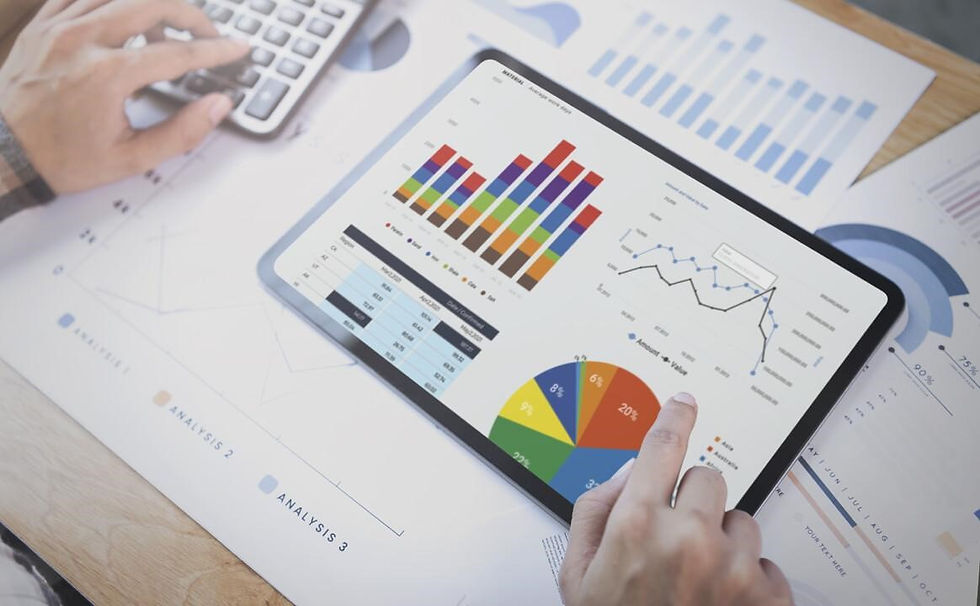
Data Analysis Techniques
Descriptive analytics helps understand past performance. It uses data to provide insights into what has happened. Examples include sales reports and customer surveys. These tools help businesses recognize patterns and trends. Understanding past data is the first step to making better decisions.
Predictive analytics uses historical data to forecast future outcomes. It employs statistical models and machine learning techniques. Businesses can predict customer behavior and market trends. This helps in making informed decisions. It allows companies to be proactive rather than reactive.
Implementing Data-driven Strategies
Personalization makes customers feel special. Use data to understand their preferences and behavior. Offer products that match their interests. Create customized marketing messages. Use their names in emails and messages. This increases engagement and sales.
Market segmentation helps target the right audience. Use data to divide your market into segments. Identify groups based on age, location, or buying habits. Create tailored marketing strategies for each segment. This improves the effectiveness of your campaigns.
Tools For Data Analytics
Unlock business growth by leveraging data analytics tools. Identify trends, make informed decisions, and optimize strategies for better results.
Software Solutions
Several software solutions can help with data analytics. Google Analytics is popular for website data. It tracks traffic and user behavior. Tableau is another powerful tool. It creates visual data reports. Microsoft Power BI integrates well with other Microsoft products. SAS is used for advanced analytics and predictive modeling. IBM Watson Analytics uses AI to analyze data.
Integration Tools
Integration tools are essential for data analytics. Zapier helps connect various apps. It automates workflows between them. MuleSoft is another powerful integration tool. It connects applications, data, and devices. Talend offers data integration and management solutions. Informatica provides a wide range of data integration services. Apache Nifi is used for data flow automation.
Measuring Success
Unlock business growth by leveraging data analytics to measure success. Analyze key metrics, optimize strategies, and drive informed decisions.
Key Performance Indicators
Key Performance Indicators (KPIs) help track business success. They show where a company stands. Sales growth is a common KPI. It measures the increase in sales over a period.
Customer acquisition cost is another important KPI. It tells how much it costs to gain a new customer. Customer lifetime value shows the total worth of a customer over time. It's useful to know how valuable a customer is.
Return On Investment
Return on Investment (ROI) is crucial in business. It measures the gain from an investment compared to its cost. A high ROI means the investment was good. A low ROI suggests rethinking the strategy.
To calculate ROI, divide the net profit by the cost of the investment. Then, multiply by 100 to get a percentage. This helps understand if the business is profitable.

Challenges And Solutions
Leveraging data analytics can present challenges such as data quality and integration issues. Implementing robust data management systems and skilled personnel can effectively address these challenges, driving business growth.
Data Privacy
Data privacy is a big challenge. Businesses must protect customer data. Strong security measures are needed. Encrypt sensitive information. This prevents unauthorized access. Train employees on data privacy. They must know the rules. Use trusted software and tools. Regularly update security protocols.
Regular audits can help find weak spots. Fix them quickly to avoid risks. Transparency with customers builds trust. Inform them how their data is used. Always get their consent before collecting data.
Skill Gaps
Many businesses face skill gaps. Not all employees understand data analytics. Training programs can help. Invest in courses and workshops. Hire experts in data analysis. They can guide the team. Encourage continuous learning. Keep up with the latest trends.
Collaboration is key. Teams should work together. Share knowledge and skills. This improves overall competency. Filling skill gaps enhances business growth. Stronger skills lead to better data insights.
Future Trends In Data Analytics
Artificial Intelligence (AI) is transforming data analytics. AI can analyze vast amounts of data quickly. Businesses use AI to find patterns and trends. This helps in making better decisions. AI tools are becoming more accessible. Small businesses can now use AI for data analysis. This levels the playing field.
Real-Time Analytics provides immediate insights. Businesses can make quick decisions. This is crucial in fast-paced markets. Real-time data helps in monitoring customer behavior. It also aids in managing inventory efficiently. Companies can respond to issues instantly. This improves customer satisfaction. Real-time analytics is becoming essential for businesses.

Frequently Asked Questions
What Is Data Analytics In Business?
Data analytics in business involves examining raw data to make informed decisions. It helps identify trends and patterns.
How Can Data Analytics Boost Business Growth?
Data analytics boosts growth by optimizing operations, improving customer experiences, and identifying new opportunities.
What Tools Are Used For Data Analytics?
Common tools include Excel, Tableau, Power BI, and Google Analytics for data analysis and visualization.
Why Is Data Analytics Important For Businesses?
Data analytics is crucial for making data-driven decisions, enhancing efficiency, and gaining a competitive edge.
Conclusion
Unlocking the potential of data analytics can significantly boost your business growth. It helps make informed decisions, identify trends, and improve operations. Implementing data-driven strategies ensures a competitive edge and sustainable success. Start leveraging data analytics today to drive your business forward and achieve greater profitability.
Let’s Build Your Success Together
Don’t wait for results to happen—create them. With URDigital Tech, you’re not just getting a service; you’re gaining a partner invested in your success.
Email us at: solutions@urdigitaltech.com
Text us at: (716) 400-0769
Contact us today to see how we can help you turn ideas into impact and opportunities into achievements.


Comments