

Evergreen Content Ideas for Blogs Boost Your Traffic Forever
- Justin Gleo

- Feb 11, 2025
- 8 min read
Evergreen content is essential for any successful blog. It remains relevant and valuable over time.
Creating content that stands the test of time can boost your blog's traffic. Evergreen topics ensure that your posts continue to attract readers long after they are published. Unlike trendy posts, which can quickly become outdated, evergreen content provides lasting value.
This type of content includes how-to guides, lists, and other informative posts. It’s helpful, engaging, and always in demand. By focusing on evergreen ideas, you build a strong foundation for your blog. It helps establish your authority and keeps your audience coming back for more. In this post, we will explore some effective evergreen content ideas for your blog. These ideas will keep your content fresh and engaging for years.

Importance Of Evergreen Content
The importance of evergreen content cannot be overstated. Evergreen content remains relevant and valuable over time. It consistently attracts readers long after its initial publication. Unlike trending topics, evergreen content does not lose its appeal. Bloggers gain ongoing traffic and engagement by creating such content.
Long-term Traffic Benefits
Evergreen content drives consistent traffic to your blog. Readers continue to find and share this type of content. This leads to a steady flow of visitors. Your blog benefits from an ongoing audience. Over time, this increases your overall reach and influence.
Seo Advantages
Search engines love evergreen content. It ranks well because it remains relevant. Regular updates and quality information keep it fresh. This boosts your blog's visibility in search results. High-ranking content attracts more clicks and visitors. Continuous traffic improves your site's SEO.
Types Of Evergreen Content
Creating evergreen content for your blog is crucial for long-term success. Evergreen content remains relevant and continues to drive traffic over time. Here, we will explore some types of evergreen content that can help keep your blog fresh and engaging.
How-to Guides
How-to guides are an excellent type of evergreen content. They provide step-by-step instructions on a particular topic. Readers often search for how-to guides to solve problems or learn new skills. These guides remain useful long after they are published.
Examples of how-to guides:
● How to Bake a Cake
● How to Create a Budget
● How to Plant a Garden
Make sure your how-to guides are clear and easy to follow. Use simple language and break down the steps. Adding images or videos can also enhance the reader's experience.
Listicles
Listicles are another popular form of evergreen content. Listicles present information in a list format, making it easy to read and digest. They can cover a wide range of topics and are highly shareable.
Examples of listicles:
● 10 Tips for a Healthy Lifestyle
● 5 Best Books for Entrepreneurs
● 7 Ways to Save Money on Groceries
To create effective listicles, ensure each list item adds value. Use bullet points to organize the information. Add engaging images to make the listicle more appealing. Both how-to guides and listicles are powerful types of evergreen content. They provide value and keep readers coming back for more. Start incorporating these content types into your blog today!
Creating Timeless Blog Posts
Creating timeless blog posts is crucial for long-term success. Evergreen content stays relevant and attracts readers over time. Let's explore how to achieve this.
Topic Research
Start by researching topics that have long-term value. Choose subjects that people always search for. Examples include health tips, financial advice, and how-to guides.
Use keyword research tools to find popular search terms. These tools help identify what your audience is looking for. Check forums and social media for common questions and problems.
● Use Google Trends to see what's popular.
● Check competitor blogs for ideas.
● Read industry reports and publications.
Quality Writing
Quality writing is essential for timeless content. Write clear and concise sentences. Avoid complex words and jargon. Structure your blog post well. Use headings, subheadings, and bullet points for better readability. Include images, tables, and lists to break up the text. Ensure your information is accurate and well-researched. Cite reliable sources to build trust. Update your content regularly to keep it current.
● Use short paragraphs and sentences.
● Add images and videos for visual appeal.
● Check for grammar and spelling errors.
Optimizing For Seo
Optimizing for SEO is crucial to increase your blog's visibility. By focusing on SEO, you can attract more readers and boost your blog’s ranking. Let's dive into some key aspects of SEO optimization.
Keyword Integration
Use relevant keywords in your blog posts. Keywords help search engines understand your content. Place keywords in titles, headers, and throughout the text. Avoid overstuffing keywords. Maintain a natural flow.
Research your keywords. Tools like Google Keyword Planner can help. Choose keywords with high search volume and low competition. Long-tail keywords often work well. They are more specific and attract targeted traffic.
On-page Seo
On-page SEO involves optimizing individual pages on your blog. Start with your title tags. Make them descriptive and include your main keyword. Keep them under 60 characters. Meta descriptions are also important. Write a short summary of your post. Include your main keyword. Keep it under 160 characters. This helps search engines and readers understand your post.
Use header tags, like H1, H2, and H3, to structure your content. They make your post easier to read. Search engines use them to understand your content. Include keywords in some of these headers. Internal linking improves navigation and SEO. Link to other posts on your blog. This keeps readers engaged and helps search engines index your content.
Optimize your images. Use descriptive file names and alt text. This helps search engines understand your images. It also improves accessibility for readers using screen readers.
Promoting Evergreen Content
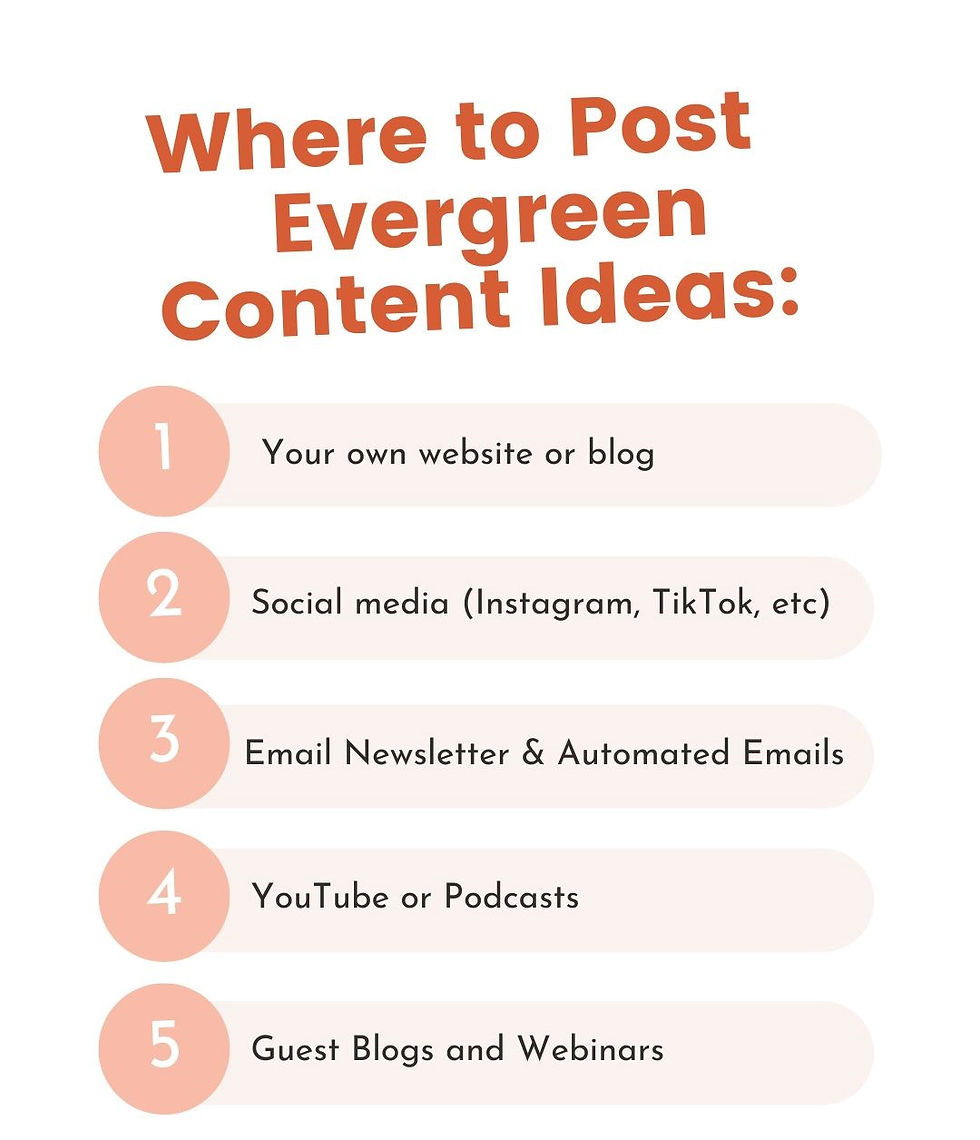
Evergreen content is a valuable asset for any blog. It remains relevant and continues to attract traffic over time. But creating evergreen content is only half the battle. You need to promote it effectively to maximize its reach and impact. Here are some strategies to promote your evergreen content:
Social Media Sharing
Social media platforms are excellent for promoting evergreen content. Share your content on platforms like Facebook, Twitter, LinkedIn, and Instagram.
● Post regularly: Schedule posts at different times to reach a wider audience.
● Use visuals: Images, infographics, and videos can make your posts more engaging.
● Engage with followers: Respond to comments and questions to foster community.
Using social media scheduling tools can save time. Tools like Buffer and Hootsuite can help you schedule and manage your posts.
Email Newsletters
Email newsletters are a powerful way to promote evergreen content. They allow you to reach your audience directly.
1. Segment your audience: Tailor your content to different segments for better engagement.
2. Include snippets: Provide a brief summary or teaser to entice readers to click through.
3. Call-to-action: Encourage readers to share the content with their network.
Regularly include links to your evergreen content in your newsletters. This keeps your content in front of your audience and encourages repeat visits.
Strategy | Benefit |
Social Media Sharing | Reaches a broad audience and drives traffic. |
Email Newsletters | Direct communication with a targeted audience. |
By consistently promoting your evergreen content, you ensure it continues to provide value and drive traffic to your blog.

Repurposing Content
Repurposing content is a powerful strategy for keeping your blog fresh and relevant. It involves taking existing content and updating or transforming it into new formats. This not only saves time but also helps reach a wider audience.
Updating Information
Information changes over time. Updating your blog posts with the latest facts and figures keeps your content accurate. This improves your blog's credibility and search engine ranking.
● Review old blog posts regularly.
● Add new statistics and data.
● Update outdated information.
Use tools like Google Trends to find current trends and keywords. This ensures your content remains relevant and engaging.
Creating New Formats
Transforming existing content into new formats can reach different types of readers. Some prefer reading, while others might like watching videos or listening to podcasts.
Original Format | New Format Ideas |
Blog Post | Video Tutorial, Infographic |
Podcast | Transcript, Blog Summary |
Video | Blog Post, Infographic |
Creating new formats from existing content can help cater to different preferences. It also increases the chances of your content being shared on various platforms. Repurpose your content today and see the benefits of increased engagement and reach.
Measuring Success
Measuring the success of your blog is essential. It helps you understand what works and what doesn't. You can use various tools and metrics to gauge performance. Here, we will focus on two main aspects: Traffic Analytics and Engagement Metrics. These will provide insights into your blog's effectiveness.
Traffic Analytics
Traffic analytics give you data on the number of visitors. It shows how many people visit your blog. This data can help you understand your audience better. You can see which posts attract the most readers. It also reveals the sources of your traffic, such as search engines or social media. Use tools like Google Analytics to monitor this data. This will help you make informed decisions about your content strategy.
Engagement Metrics
Engagement metrics measure how visitors interact with your content. This includes comments, shares, and likes. High engagement indicates that your content resonates with your audience. Tools like social media analytics can track these interactions. You can also use website plugins to gather this data. Focus on creating content that sparks conversation and interaction. This will build a loyal audience over time.
Case Studies
Case studies are powerful tools for any blog. They provide real-world examples and practical insights. Readers love to see how others have tackled similar challenges. This makes case studies evergreen content. They remain relevant and valuable over time.
Successful Examples
Highlighting success stories can be very engaging. For instance, a small business that doubled its revenue through a new marketing strategy. Or a non-profit that increased donations with a community event. These examples provide concrete evidence of what works. They inspire readers and offer actionable steps.
Lessons Learned
Case studies also offer valuable lessons. Discuss what worked well and what didn’t. Share the challenges faced and how they were overcome. This helps readers learn from others' experiences. It prepares them for similar challenges. They gain insights that can be applied to their own situations.
In conclusion, case studies make your blog more relatable. They provide practical, real-world examples. They offer insights and lessons. They remain relevant and valuable, making them perfect evergreen content.

Frequently Asked Questions
What Is Evergreen Content?
Evergreen content is timeless content that remains relevant and valuable. It continually attracts traffic long after publication.
Why Is Evergreen Content Important?
Evergreen content drives consistent traffic and engagement. It improves SEO and builds long-term audience trust.
How To Create Evergreen Content?
To create evergreen content, choose timeless topics. Write comprehensive, high-quality articles that address common questions or problems.
What Are Examples Of Evergreen Content?
Examples include how-to guides, tutorials, FAQs, and resource lists. These types of content remain useful over time.
Conclusion
Evergreen content keeps your blog relevant and engaging. It attracts readers year-round. Focus on timeless topics like how-tos, tips, and lists. These topics never lose value. Keep updating old posts for freshness. This boosts SEO and audience retention. Consistent, quality content builds trust with readers. They return for reliable information. Start implementing evergreen ideas today. Your blog will thrive with continuous traffic.
Let’s Build Your Success Together
Don’t wait for results to happen—create them. With URDigital Tech, you’re not just getting a service; you’re gaining a partner invested in your success.
Email us at: solutions@urdigitaltech.com
Text us at: (716) 400-0769
Contact us today to see how we can help you turn ideas into impact and opportunities into achievements.


Comments