

Augmented Reality in Online Shopping Revolutionizing Retail
- Justin Gleo

- Jan 21, 2025
- 9 min read
Augmented reality is transforming online shopping. It blends the digital with the real.
Imagine trying on clothes without leaving your home. Augmented reality (AR) makes this possible. AR allows customers to see products in their real-world environment. Online shopping becomes more interactive and fun with AR.
Shoppers can visualize items before they buy them, reducing uncertainty.
This technology offers a new way to experience products online. It enhances customer satisfaction and reduces returns. Many brands are adopting AR to stay competitive. The future of online shopping is here, and it's augmented.
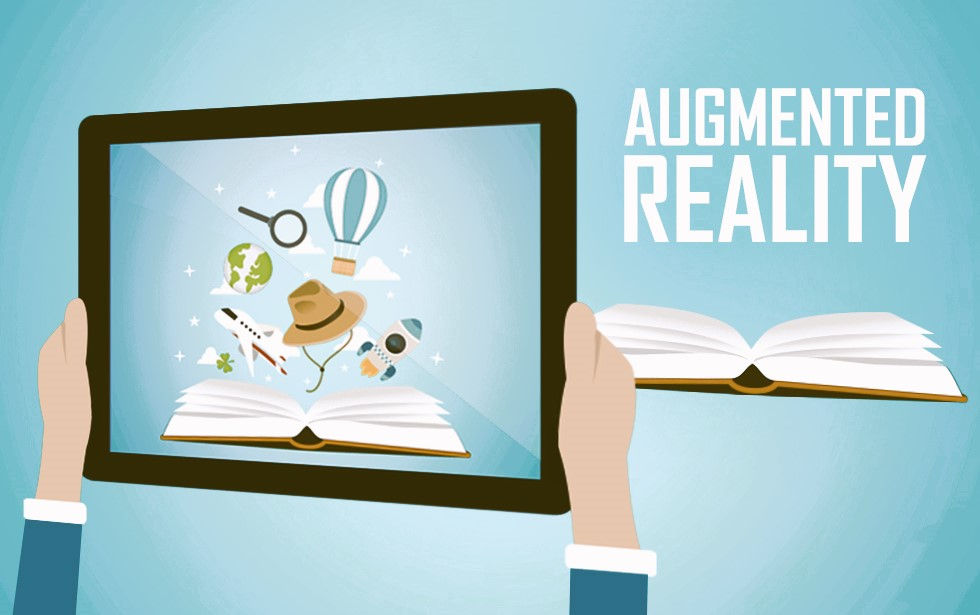
Introduction To Augmented Reality
Augmented Reality (AR) is transforming online shopping. This technology blends digital elements into the real world. Imagine trying on clothes without visiting a store. Or placing furniture in your living room before buying. AR makes these experiences possible.
What Is Augmented Reality?
Augmented Reality adds digital content to your physical environment. It uses devices like smartphones and tablets. With AR, you can see and interact with digital objects. This is different from Virtual Reality, which creates a completely digital world. AR enhances the real world with digital elements.
Brief History Of AR In Retail
AR in retail started gaining attention in the early 2000s. Early examples included virtual fitting rooms. Retailers began using AR to enhance customer experiences. IKEA launched an AR app in 2013. It allowed users to place virtual furniture in their homes. This was a significant step for AR in online shopping. Many brands have since adopted AR to improve their services.
Benefits Of AR In Online Shopping
Augmented Reality (AR) is transforming the online shopping experience. It offers many advantages for both customers and retailers. Below, we explore some key benefits of AR in online shopping.
Enhanced Customer Experience
AR provides an interactive and immersive shopping experience. Customers can visualize products in their own space. This helps them make better decisions.
For example, they can see how a sofa fits in their living room. Or how a shirt looks on them. This reduces uncertainty and boosts confidence in purchases.
● Better product visualization
● Interactive engagement
● Increased satisfaction
Reduced Return Rates
Returns are a major issue for online retailers. AR helps reduce return rates by providing a clearer view of products. When customers are sure about their choices, they are less likely to return items.
For instance, virtual fitting rooms let customers try on clothes before buying. This ensures a better fit and fewer returns.
Benefit | Explanation |
Accurate product visualization | Customers see the product as it will appear in reality. |
Better fit | Virtual try-ons ensure the right size and style. |
Increased satisfaction | Happy customers are less likely to return items. |
In summary, AR in online shopping enhances the customer experience and reduces return rates. This benefits both customers and retailers, creating a win-win situation.

AR Technologies In Retail
Augmented Reality (AR) technologies are transforming the retail industry. They are creating immersive shopping experiences that engage customers like never before. Retailers use AR to bridge the gap between online and in-store shopping, offering enhanced product visualization and interaction. This technology helps customers make more informed purchasing decisions, increasing satisfaction and reducing returns.
AR Apps And Features
Many retailers are investing in AR apps to enhance the online shopping experience. These apps offer a variety of features that make shopping more interactive and enjoyable. Here are some key features of AR apps in retail:
● Virtual Try-Ons: Customers can see how clothes, accessories, or even makeup look on them without visiting a store.
● 3D Product Previews: Shoppers can view products from all angles, getting a better sense of size, color, and details.
● AR Product Tags: These provide additional information, such as reviews or care instructions, when scanned with an AR app.
● Interactive User Manuals: Some products come with AR-enabled manuals that show step-by-step assembly instructions.
These features not only improve customer engagement but also increase the likelihood of making a purchase.
Web-based AR Solutions
Web-based AR solutions are gaining popularity among retailers. These solutions do not require downloading a separate app. Instead, they work directly through a web browser. This makes AR more accessible to a wider audience. Here are some benefits of web-based AR in retail:
1. No App Downloads: Customers can access AR experiences instantly via a web link.
2. Easy Integration: Retailers can easily add AR features to their existing websites.
3. Wide Compatibility: Works on most modern smartphones and tablets, ensuring a broad reach.
4. Seamless Experience: Provides a smooth shopping experience without needing to switch between apps.
Web-based AR solutions make it easier for customers to try before they buy, enhancing their confidence in their purchases.
Case Studies Of AR In Retail
Augmented Reality (AR) is transforming the retail landscape. Shoppers can now visualize products in their space before buying. Many leading brands have adopted AR to enhance customer experience. Let's explore some case studies of AR in retail.
Leading Brands Using AR
IKEA uses AR through its app. Shoppers can see how furniture fits in their home. This feature helps customers make better decisions.
Sephora also leverages AR. Their app allows users to try on makeup virtually. This helps customers find the right products without visiting a store.
Amazon uses AR to show how products fit in users' homes. This feature is available for various items, from furniture to decor. Customers can now shop with more confidence.
Success Stories
IKEA's AR app boosted their sales. Customers found it easier to choose the right furniture. They reported higher satisfaction and fewer returns.
Sephora's AR feature improved customer engagement. Users spent more time on the app. They felt more confident in their purchases. This led to increased sales.
Amazon's AR feature also had a positive impact. Customers appreciated the convenience. They made more informed purchases. This reduced the number of returns and increased customer loyalty.

Challenges And Limitations
Augmented Reality (AR) is transforming online shopping experiences. Shoppers can visualize products in real-time. Yet, AR faces challenges and limitations. These issues affect its widespread adoption and effectiveness. Understanding these challenges is crucial for businesses and consumers alike.
Technical Hurdles
AR requires advanced technology to function smoothly. High-quality graphics and real-time processing are essential. Many devices lack the capability to support AR features. This leads to a subpar user experience. Additionally, developing AR applications demands specialized skills. These skills are not always readily available. This can slow down the adoption of AR in online shopping.
Consumer Adoption
Consumers are often hesitant to adopt new technology. Many are unfamiliar with AR and its benefits. They may find it confusing or intimidating. Trust is another issue. Users worry about privacy and data security. These concerns can prevent them from using AR features. Furthermore, not all shoppers have access to AR-compatible devices. This limits the reach of AR technology.
Future Trends In AR Shopping
Augmented Reality (AR) is transforming online shopping. The future of AR shopping promises exciting trends. These trends will make shopping more interactive and personalized. Let's explore some key future trends in AR shopping.
Integration With AI
AI and AR are a powerful combination. Artificial Intelligence (AI) can enhance AR shopping experiences. AI can analyze customer data. It can predict shopping behavior. This allows for more accurate product recommendations. For example, AI can suggest items that match a user's style. This makes shopping easier and more enjoyable.
Personalized Shopping Experiences
Personalization is crucial in online shopping. AR can create personalized shopping experiences. Imagine trying on clothes without leaving your home. AR can show how clothes will look on you. It can adjust to your body shape and size. This creates a tailored shopping experience.
Personalized AR can also help with home decor. Customers can see how furniture fits in their space. They can customize colors and materials. This level of personalization makes shopping more engaging.
Future trends in AR shopping include:
● Virtual try-ons for clothing and accessories
● Interactive product demos
● Customization options for products
These trends will make shopping more immersive and fun.
Trend | Benefit |
AI Integration | Improved product recommendations |
Personalized Experiences | More engaging shopping |
Virtual Try-Ons | Convenience and accuracy |
These future trends in AR shopping will reshape the way we shop online. They will offer a more interactive and personalized experience. Get ready for a new era of online shopping.

How To Implement AR In Your Business
Augmented Reality (AR) is transforming online shopping by enhancing the customer experience. Businesses can leverage AR to provide a more immersive and interactive shopping environment. Implementing AR in your business can set you apart from competitors and increase customer satisfaction. Here’s how you can get started.
Choosing The Right Technology
Choosing the right AR technology is crucial. You need to consider several factors to make an informed decision.
● Compatibility: Ensure the AR solution is compatible with your existing platforms.
● User Experience: The technology should be user-friendly and intuitive.
● Scalability: Choose a solution that can grow with your business.
● Cost: Evaluate the cost and ensure it fits within your budget.
Some popular AR technologies include ARKit by Apple, ARCore by Google, and WebAR for browser-based experiences. Evaluate each option based on your business needs.
Steps For Integration
Integrating AR into your business involves a few key steps.
1. Research: Understand the AR landscape and determine what fits your business model.
2. Choose a Vendor: Select a vendor that provides the technology and support you need.
3. Develop AR Content: Create engaging and interactive AR content that aligns with your products.
4. Test: Conduct thorough testing to ensure the AR functionality works as intended.
5. Launch: Roll out the AR features on your platform and promote them to your customers.
Consider collaborating with AR developers for a seamless integration process. Ensure your team is trained to handle and manage the new technology.
Step | Description |
Research | Understand AR and determine what fits your business model. |
Choose a Vendor | Select a vendor that provides the needed technology and support. |
Develop AR Content | Create engaging and interactive AR content. |
Test | Conduct thorough testing to ensure functionality. |
Launch | Roll out AR features and promote them to customers. |
Implementing AR can enhance the online shopping experience. Follow these steps to ensure a smooth integration process.

Frequently Asked Questions
What Is Augmented Reality In Online Shopping?
Augmented reality (AR) in online shopping allows customers to visualize products in their environment using digital overlays. It enhances the online shopping experience by providing a more interactive and immersive way to view items before purchasing.
How Does AR Improve Online Shopping?
AR improves online shopping by enabling customers to see how products fit into their space. It reduces uncertainty, increases engagement, and boosts confidence in purchasing decisions.
Which Industries Benefit From AR In E-commerce?
Industries like fashion, furniture, and cosmetics benefit from AR in e-commerce. AR allows customers to try on clothes, visualize furniture in their homes, and test makeup virtually.
What Are The Advantages Of AR For Retailers?
AR offers advantages for retailers by increasing conversion rates, reducing return rates, and enhancing customer satisfaction. It provides a unique and engaging shopping experience that can differentiate a brand from competitors.
Conclusion
Augmented Reality reshapes online shopping experiences. Shoppers visualize products in their space. This boosts confidence and reduces returns. Retailers gain a competitive edge. AR bridges the gap between in-store and online buying. It offers an immersive, engaging journey. As technology evolves, AR will become more prevalent.
Embrace AR for a futuristic shopping experience.
Why URDigital Tech is the Partner You Need to Scale Your Success
At URDigital Tech, we don’t just provide services—we deliver results. From building high-performing sales funnels to designing visually stunning websites, every solution we offer is designed to maximize ROI and drive growth. Like a well-crafted strategy from Grant Cardone or a conversion-focused funnel by Russell Brunson, we specialize in turning ambitious goals into actionable outcomes.
Here’s What Makes URDigital Tech Stand Out:
Laser-Focused on Your Success: Every campaign, every email, every piece of content is built with one goal: to help you convert leads, close sales, and grow your business exponentially.
Proven High-Converting Strategies: Inspired by experts like Neil Patel and Frank Kern, we design solutions that meet your customers where they are—whether it’s SEO-optimized blogs that rank high on Google or email sequences that turn "maybe" into "yes."
Scalable, Tailored Solutions: Whether you’re launching a new product, optimizing your digital presence, or scaling your operations, we provide strategies that grow with you.
Results You Can Measure, Value You Can Trust
We know that growth doesn’t happen by chance—it’s the result of precise execution and relentless focus on outcomes. That’s why everything we do is rooted in measurable success:
Higher Conversions: From abandoned cart recovery to high-converting landing pages, we craft solutions that turn browsers into buyers.
More Engagement: By leveraging storytelling strategies, like those used by Ryan Deiss, we build emotional connections that keep customers coming back.
Optimized ROI: Using insights from Perry Marshall’s advertising methods, we ensure every dollar you spend drives maximum value.
What’s Your Next Move?
You’ve got the vision, and we’ve got the tools to make it happen. Let URDigital Tech be your unfair advantage. Whether you’re looking to launch, grow, or scale, now is the time to take action.
Here’s what to do next:
Contact Us: Let’s discuss your goals and create a roadmap to success.
Get a Custom Plan: We’ll design a tailored strategy to address your specific needs
Watch Your Business Scale: With our expertise, you’ll see measurable growth every step of the way.
Let’s Build Your Success Together
Don’t wait for results to happen—create them. With URDigital Tech, you’re not just getting a service; you’re gaining a partner invested in your success.
Email us at: solutions@urdigitaltech.com
Text us at: (716) 400-0769
Contact us today to see how we can help you turn ideas into impact and opportunities into achievements.


Comments